

The Hands that Field
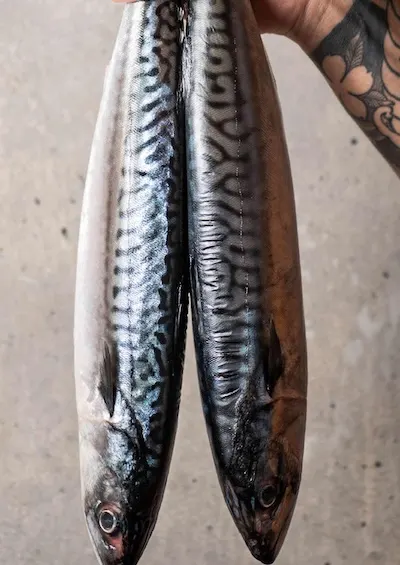
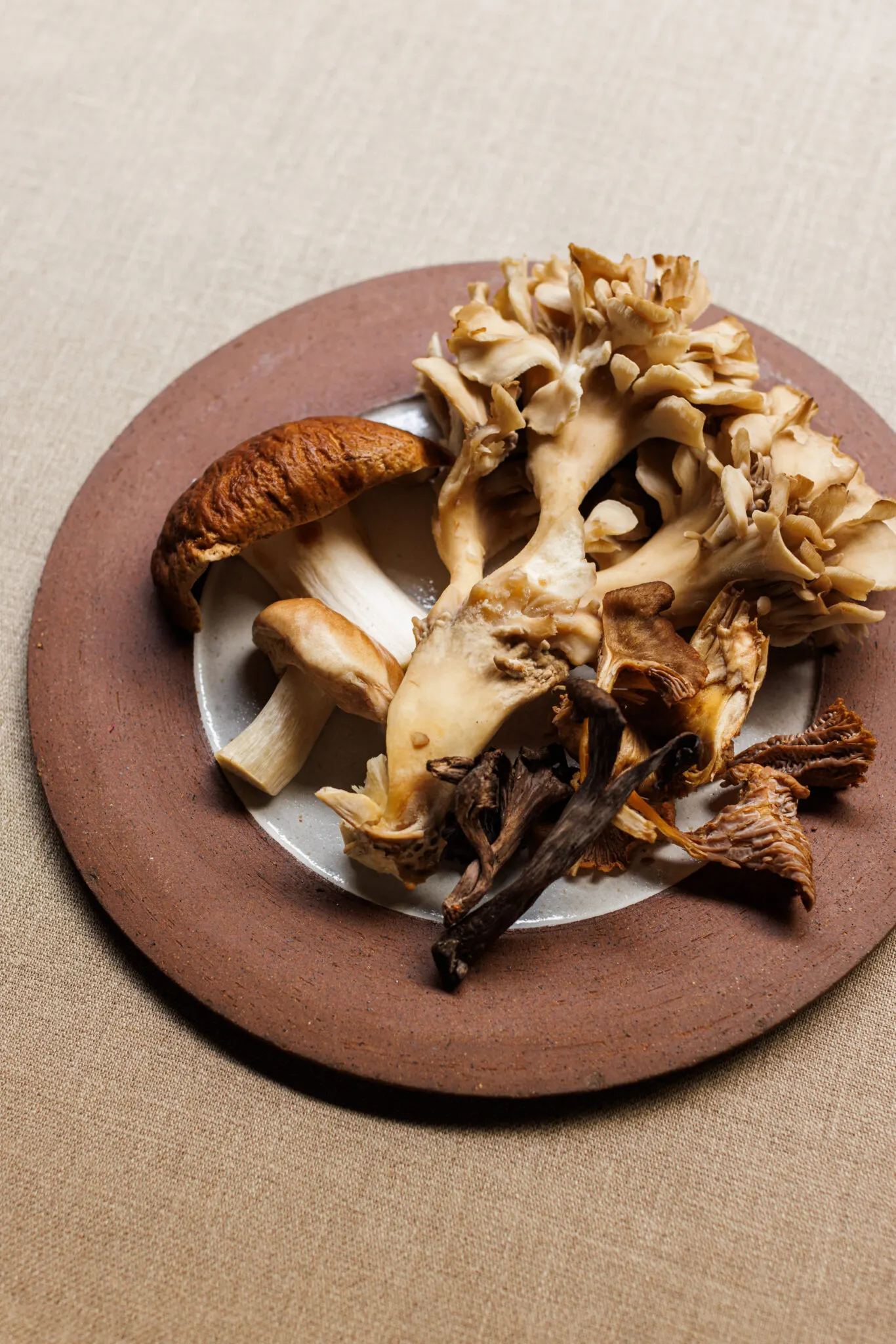
We often remind ourselves that food isn’t created in the kitchen. Every ingredient we touch has lived a whole life before we see it, shaped by soil, weather, patience, and the hands of people who grow, raise or gather it. Behind every plate is a network of care that most diners never see.
Cooking the way we do means paying attention to that network: understanding the rhythm of the people who harvest our food, the ecosystems they work within and the trust that holds it all together. “Everything goes down to trust,” Santiago says. “You have to know who grows it, how it’s handled, how it’s treated. The more we know, the better we cook.” That trust is built over time. When we work with a farm like Flourish in Cambridgeshire, run by Calixta, we’re not simply buying produce; we’re sharing a process. Calixta travels the world collecting seeds, experimenting with how soil and weather affect flavour. “She’s like the chef of the soil,” Santiago says. “She creates questions instead of answers.” Working with her has changed how we think about food. When we test a dish, we can have an answer in a day. Calixta’s experiments take a year. A crop can fail because of rain, temperature or timing. Watching that process gives us a sense of humility and perspective. True craft is slow.
The patience of small producers is under threat. In Britain, the number of working farms has fallen by nearly a third over the last 40 years.
The pressures are relentless: rising land costs, supply-chain consolidation, labour shortages and the lingering effects of Brexit and the pandemic. The result is a system that rewards scale over quality. And yet, scattered across the country, there’s a quiet resurgence of craft farming. Regenerative growers are rebuilding soil health, heritage grain projects are reintroducing flavour and coastal fishers are returning to small-boat methods. We see KOL as part of that shift.
When we started KOL, we knew we didn’t just want to import ingredients from Mexico. That would have been easier, but it would have missed the point. Instead, we wanted to find the same spirit that defines Mexican cooking, and bring it to a new landscape. In Mexico, food is communal by nature. Rural communities work the land collectively; markets are social spaces as much as commercial ones. Dishes are born from exchange between generations of people growing, trading and cooking together.
Among the most powerful symbols of that tradition are mujeres del humo (‘women of the smoke’), who cook on open fires in rural kitchens, surrounded by the smell of wood and corn. Their tortillas are pressed and cooked by hand, each one slightly unique. “They go from harvesting to grinding to cooking, all in the same day,” Santiago says. “Their food carries that continuity. It’s alive.”
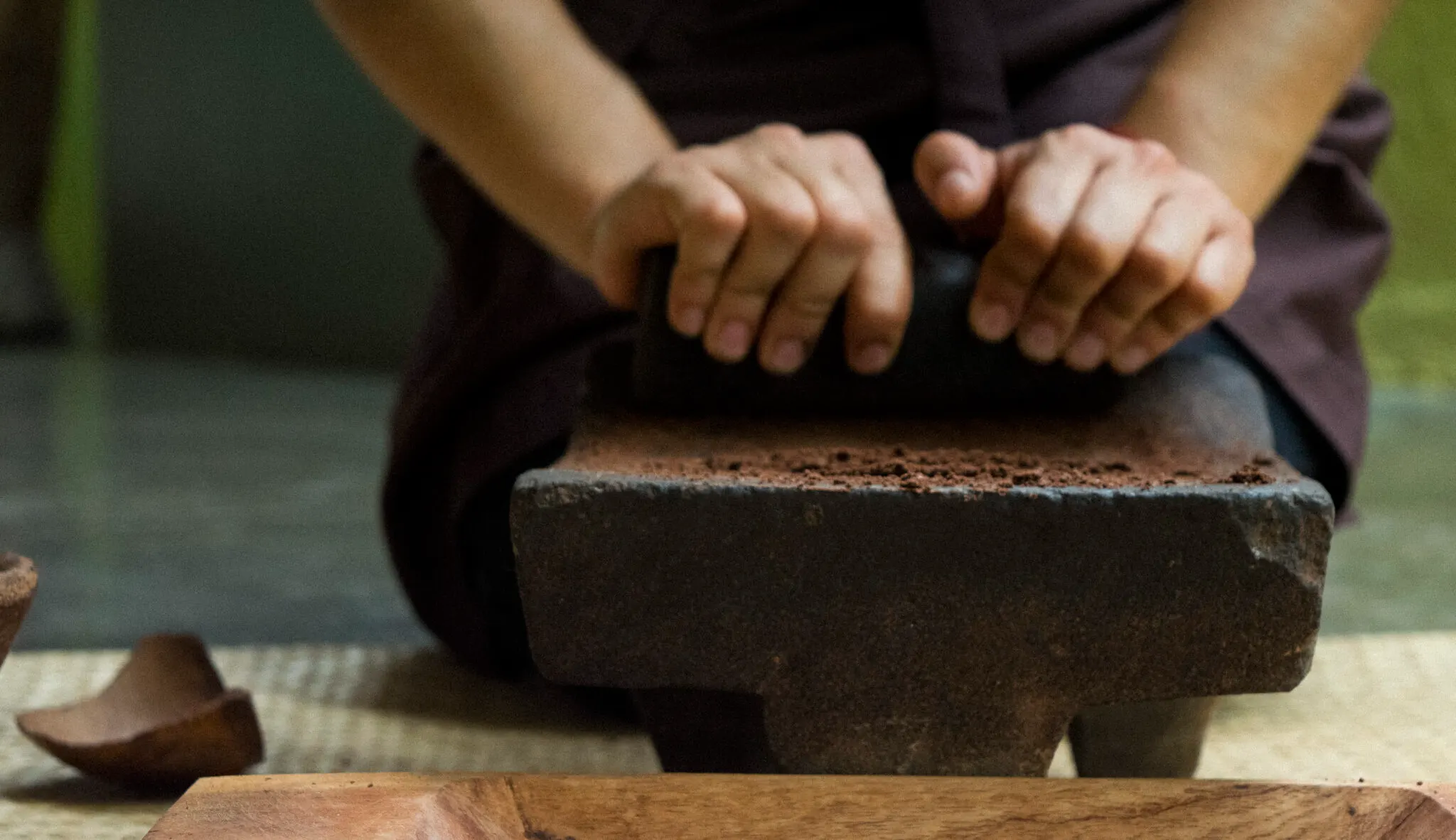
That idea, of food as something that passes through many hands before becoming a meal, is a blueprint for how we work at KOL. Ingredients move through a choreography of care. Someone washes and trims them; another pickles or ferments; someone else roasts, blends and seasons. Each step adds a layer of knowledge and interpretation, just as the mujeres del humo grind and cook and season by feel. Nothing here is done by one person alone.
The rhythm of our kitchen mirrors the rhythm of the land. We work slowly when the ingredient demands it, quickly when it must move. Some things take days – masa, mole, ferments – others minutes. Every stage leaves a trace of the hands that touched it. You can taste the accumulation: the care of the farmer, the skill of the cook, the patience in between.
In the UK, the same continuity exists outside the kitchen too, though often hidden beneath layers of industrial efficiency. We’ve seen it in farmers who spend winters planning their crop rotations by hand, and in foragers who walk miles of coastline waiting for the right tide. Our supplier The Sea, The Sea began as a small fish shop in Chelsea, where the owners aged fish in the same way butchers age meat. That attention to detail changed how London thought about seafood, and how we think about our role as chefs. “You can help the middle,” Santiago says, “or you can help the people who really need it.” Large distributors often buy from small farms but capture most of the margin. Working directly lets us pay fairly and see the difference our choices make. It’s about continuity rather than virtue. If these producers can’t sustain themselves, the knowledge goes with them.
The idea of local food has been diluted over the years, turned into a marketing term. For us, ‘local’ refers to relationships as much as geography. Local is emotional proximity: knowing the person who grew your carrots, or raised your lamb or gathered your sea herbs. We ask our suppliers how the weather’s been, what failed, what’s coming next. Sometimes the answer changes what we cook. That’s how it should be. This kind of collaboration requires vulnerability on both sides. For farmers, it’s trusting that chefs will value their work; for us, it’s trusting that nature, unpredictable as it is, will provide what we need. There’s no success and failure. When a crop doesn’t thrive, we pivot. When it does, we celebrate it together.
We’re not the only restaurant working this way. Across Europe and Latin America, a new kind of food economy is emerging: one built on craftsmanship rather than scale. In Denmark, the New Nordic movement reconnected chefs with foragers and fishers, transforming an entire region’s economy. In Oaxaca, mezcal makers now name the farmers who grew their agave, restoring credit where it’s due. Everywhere, chefs are rediscovering something Indigenous cultures never forgot: good food is the result of collective effort. Inside our own kitchen, that principle has become second nature. We treat ingredients gently, use every part we can, compost what’s left. Each passes through many hands before ours; to handle it carelessly would be to break the chain. Our role is to continue the work of those who came before, translating their patience into something that will be eaten and remembered.
Cooking this way slows you down. It changes how you measure success. You start to see the supply chain not as logistics, but as community. What we serve isn’t just ours, it’s theirs too.