

Cultured by Nature
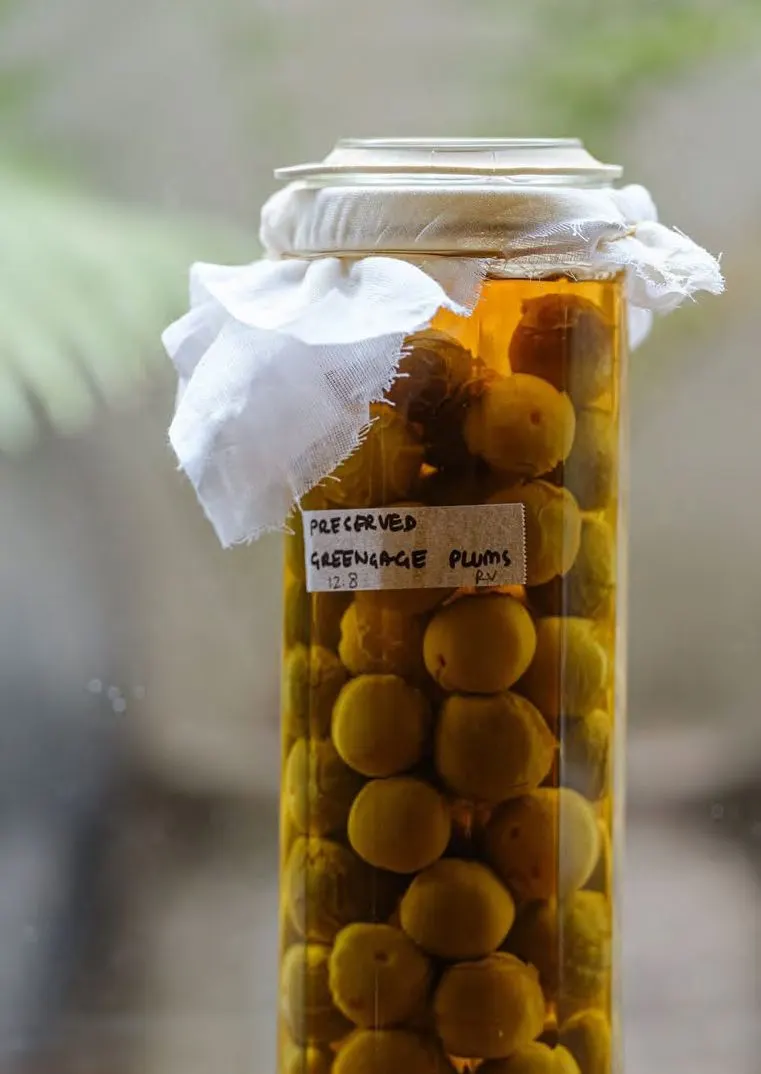
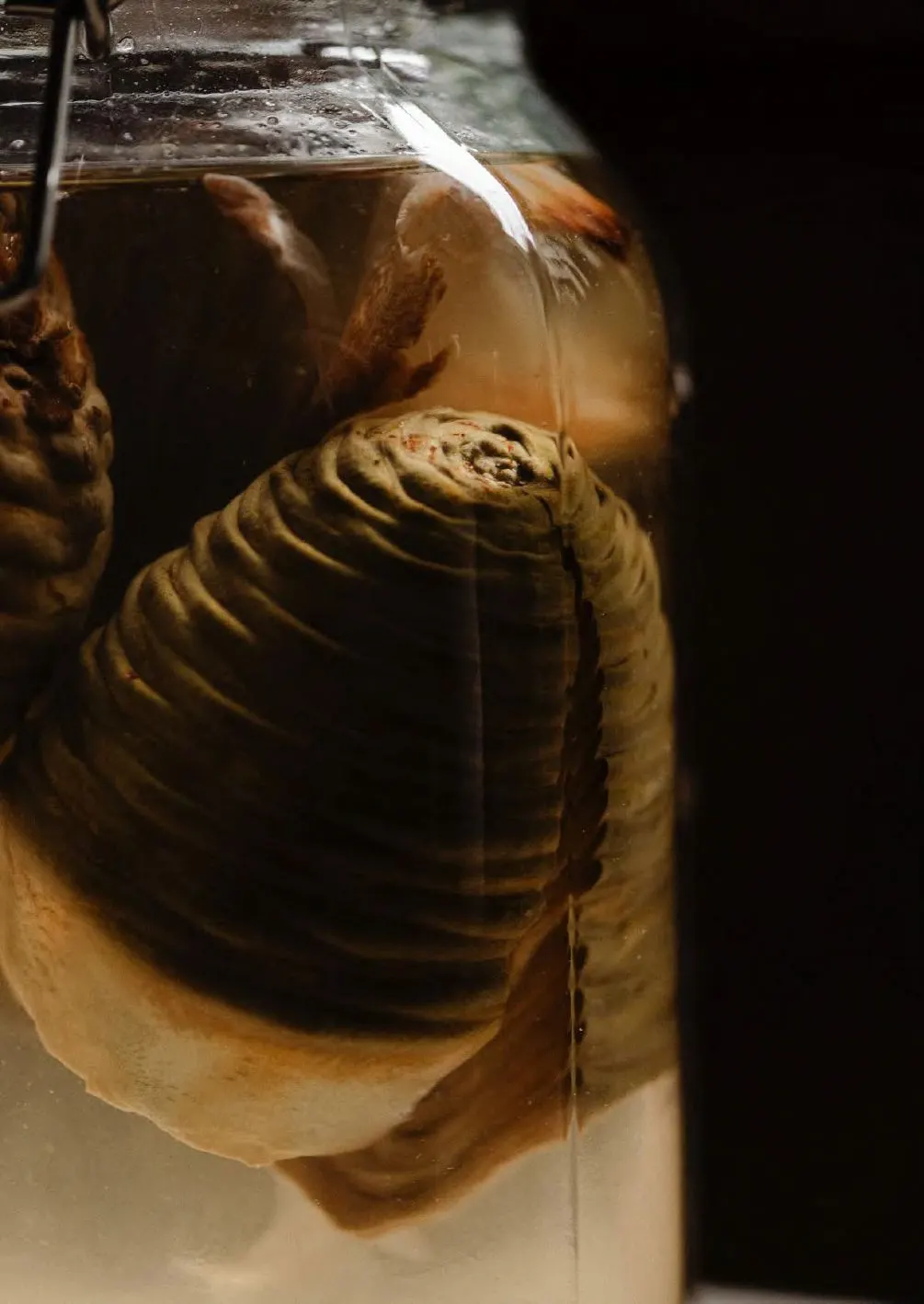
Fermentation is one of the oldest forms of preservation; in blunt terms, a way to prevent food from rotting. But in the process, it reveals something about how life sustains itself. If you give nature a little time (and a pinch of salt), it will take care of the rest. That principle sits at the hear of how we cook at KOL. Santiago describes fermentation as “a way of preserving food by allowing it to protect itself.”
The process is microscopic but powerful. Good bacteria consume sugars, producing acids that reshape the food from within. Something new is created, too: flavour deepens and texture shifts as the food begins to defend itself. When we eat fermented food, the same bacteria goes on to protect us, feeding the microbiome that governs our digestion, immune system and mental health.
In Japan, fermentation is seen as a form of harmony between human and environment. The koji mould used to make miso, sake and soy sauce is treated almost like a living partner. Japanese artisans talk about “listening” to the ferment, learning when it is warm enough, when it needs air, when to leave it alone.
The same philosophy of patience, respect and observation shapes the way we approach fermenting at KOL.
We work mainly with lactic fermentation. The process begins when salt draws water out of vegetables, creating an oxygen-free environment where bacteria can thrive. As they feed, they produce lactic acid and carbon dioxide, giving food its subtle tang. Cabbage, KOL’s namesake and one of the most well-known ingredients used in lactic fermentation, gains new depth and character as it transforms into ribbons of tangy yellow or hot pink sauerkraut. “It gives this beautiful sour taste to ingredients that don’t have natural acidity,” Santiago explains. “It’s amazing.”
In Mexico, citrus gives natural brightness to food. Here, that same acidity must be built differently. Gooseberries, blackcurrants, magnolias, woodruff and kombuchas form our spectrum of sourness. Sharp vinegar made from blackcurrants cuts through the richness of slow-cooked meat. Toasted fermented rye gives a flavour close to chocolate. These are not substitutes for limes or tropical fruit, but new dialects of the same idea.