

Of Smoke and Soil: The Making of Mezcal
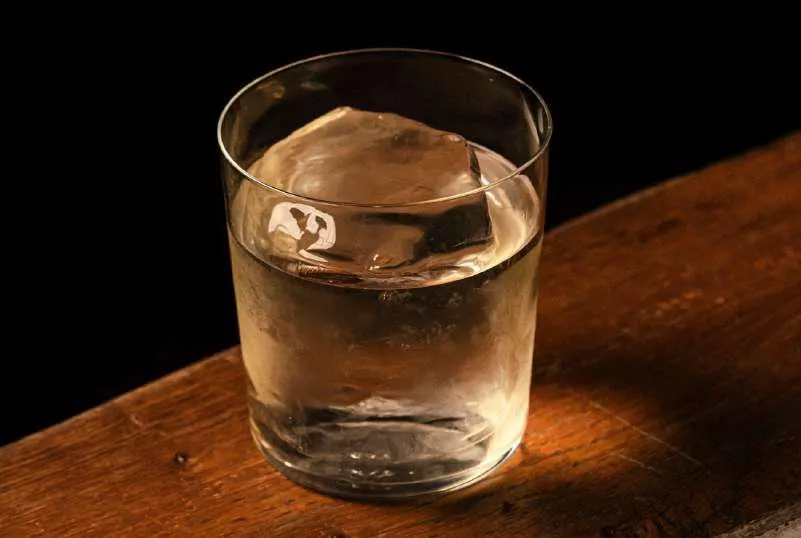
Mezcal is an archive of place, plants and people. A distilled spirit, it’s made from cooked and fermented agave hearts, or piñas. Unlike tequila, which is legally restricted to the Blue Weber agave species in specific regions, mezcal embraces many species and comes from a wider set of Mexican states.
The word mezcal comes from the Nahuatl metl ixcalli, meaning ‘oven-cooked agave.’ That etymology alone signals the importance of heat in the production process. The method matters: which agave, how it’s cooked, how it ferments, and how it’s distilled all shape the final liquid’s personality. Agave is a genus with over 200 species, but only a fraction are used commercially in spirit production. Some sources suggest 30 to 50 species are recognised in mezcal-making. The nuance lies in which agave, in which place, using which method.
One of the most common agaves in mezcal is Espadín (Agave angustifolia), due to its wide cultivation and relatively more predictable yield.
In Oaxaca, it tends to form the backbone of mezcal production. But alongside Espadín, wild agaves like Tobalá, Barril, Madrecuixe and others lend complexity and uniqueness. This botanical diversity is central to how we think about mezcal at KOL. The life of an agave plant is long. Depending on species and environment, it can take over twenty years to reach harvestable maturity. Harvest timing is decided by subtle cues – the length of the quieote (flower stalk), sugar concentration, local climate patterns – rather than rigid schedules.
Cooking methods vary. Some mezcaleros roast piñas in underground pits over wood, which contributes smoke and depth. Others may use above-ground ovens or masonry structures. Fermentation often involves native yeasts in open vats. Distillation is typically in small copper or clay stills, sometimes only a single pass. These decisions create textures, aromas and energy unique to each bottle. Because many mezcal producers rarely measure process parameters, variation is intrinsic. That is part of the appeal.
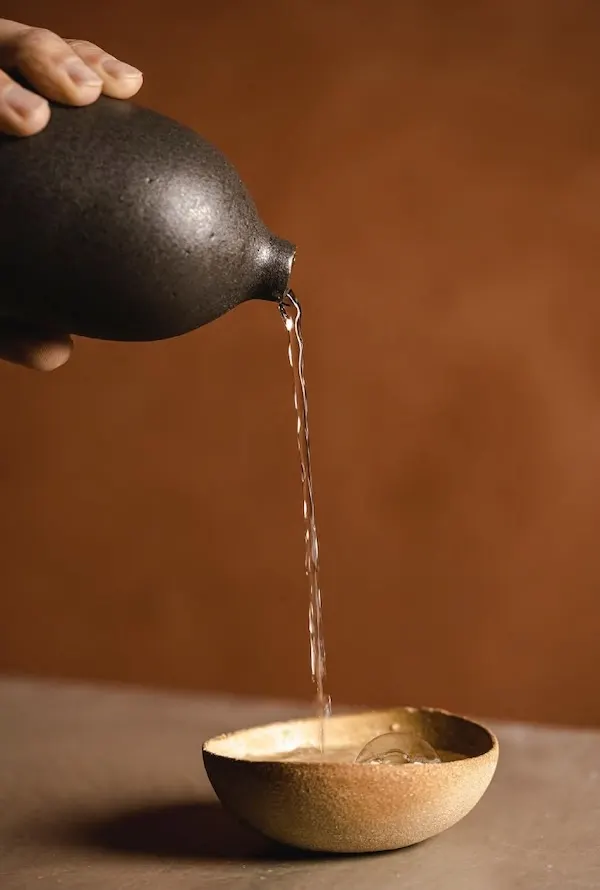
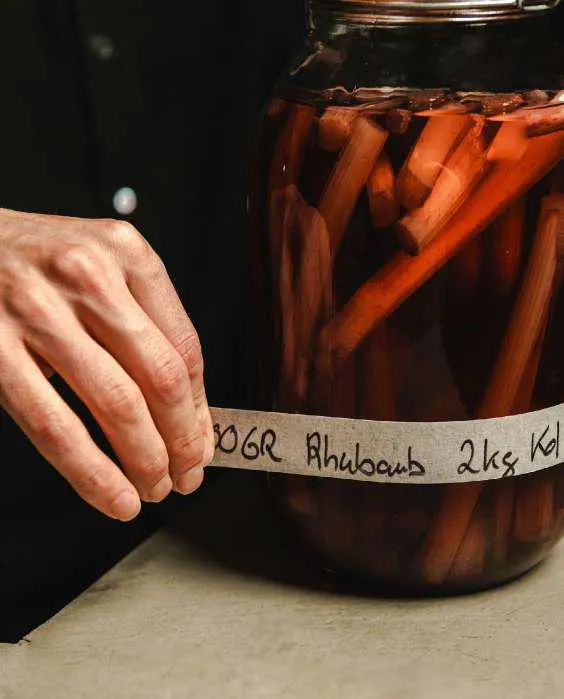
Mezcal is rooted in Indigenous and rural traditions. Its origin stories reach back to pulque (a fermented drink made from raw agave sap) consumed by Mixtec, Zapotec and Nahua peoples. The distillation techniques arrived after the Spanish conquest, possibly influenced by Filipino galleon sailors who brought distillation knowledge to Mexico’s west coast. Today, the legal Denomination of Origin (DO) for mezcal covers nine Mexican states, including Oaxaca, Guerrero, San Luis Potosí, Zacatecas, Puebla, Durango, Michoacán, Tamaulipas and Guanajuato. Oaxaca is particularly significant, housing an enormous number of family distilleries and producing a vast share of certified mezcal. The surge in international interest has created both opportunity and challenge. On the one hand, mezcal supports rural economies. On the other, demand can threaten sustainable practices, especially for wild species with long cycles. Over-harvesting, poor replanting and monocultures are risks.
One of the most powerful things about mezcal is that it remains alive. Just like the wild fruits, vegetables and herbs we receive from Flourish, every bottle is subtly different.
We also carry bottles from small, house-collaborative picks or limited releases. Even when a mezcal is rare or unusual, we try to present it with context: the species, the village, the distiller. That practice protects both the producer’s identity and the guest experience. Mezcal deserves the same care as fine wine or sake; behind each pour there is land managed, trees burned, fermentation watched, stills monitored and decades spent growing the maguey.
At KOL, the kitchen sources British produce – roots, wild herbs, berries – and the drinks program brings Mexican spirit traditions into that frame. When we choose a Karwinskii mezcal (wild, robust), for example, it might sit beside smoked root or tannin-rich vegetable dishes. A lighter Espadín might accompany shellfish or citrus-bright flavours. Cocktails are built with respect. Mezcal remains prominent, whether in a variation of a Margarita or a more creative serve. Our aim is that guests notice the agave, not just the mix. That visibility is meaningful; it helps us gather disparate geographies, from Oaxaca’s sloping hills to our city restaurant.